
There is a big difference between reading about psychic services and sitting in one that answers back as you speak. That shift changes everything. The energy feels less like a monologue and more like a shared room, whether the setting is text, video, or a larger audience.
Interactive psychic readings have become especially appealing because people want contact, not just content. They want to ask follow-up questions, notice tone, and feel that the reading is adapting in real time. That is where formats like live chat, video, and group sessions come into their own.
To see how a typical session unfolds before the interactive layer is added, see how a session unfolds.
Why interactivity changes the whole experience
A traditional psychic reading can be powerful, but it often moves in one direction. The reader speaks, the client listens, and the meaning lands later. In an interactive psychic reading, the exchange develops on the spot, and that changes the pace, depth, and even the emotional texture of the session.
When a reader can respond to what someone says or asks, the reading becomes more focused. Instead of circling around broad impressions, it can narrow in on what matters most right now. That makes the session feel less like a performance and more like a conversation with purpose.
This format also gives the client room to correct course. If a topic feels off, if a name or date matters, or if a message needs more context, the reader can adjust immediately. That feedback loop is one of the main reasons people search for psychic interactive experiences instead of static one-way consultations.
The appeal of live chat
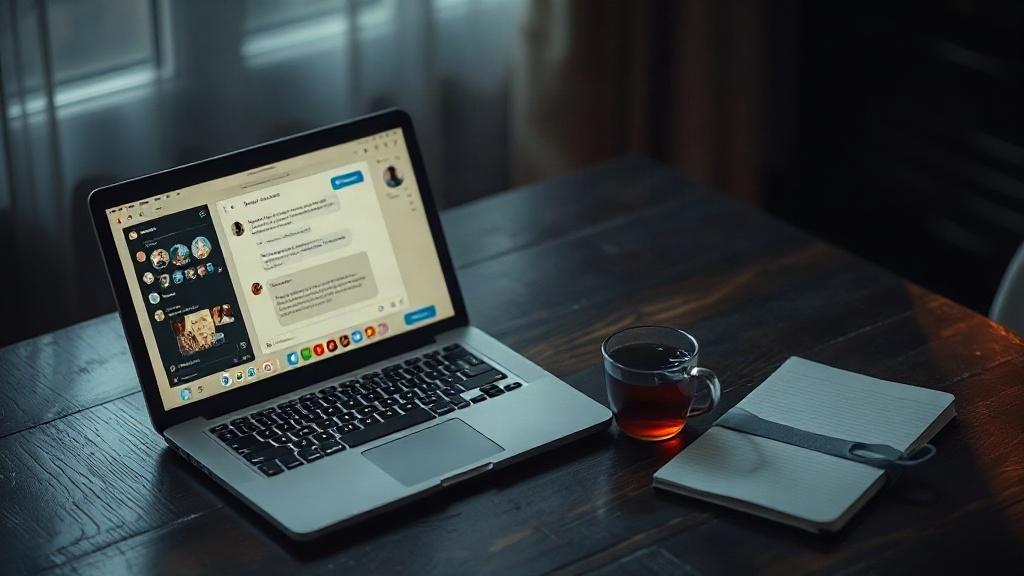
A live chat psychic reading has a very specific rhythm. It is quick, private, and easy to start, which makes it a natural entry point for people who are curious but cautious. You can type a question, wait for the reply, and keep the exchange moving without having to be on camera.
The written format also gives people time to think. In conversation, especially when emotions are high, it can be hard to organize a question on the fly. Chat slows that pressure down just enough to let someone frame what they really want to know.
There is another advantage that often gets overlooked: the record. With an online psychic chat, people can review the exchange later and reflect on details they might have missed in the moment. That can be useful when a reading contains several threads that need time to settle.
Chat has limits. Tone can be harder to read, and some nuances are easier to catch in voice or video. Still, for many people, the straightforwardness of text is exactly the point. It keeps the experience clear and direct.
What makes chat feel intimate
Even though chat seems less personal at first glance, it often creates a sense of privacy that people value. There is no need to worry about facial expressions, background noise, or whether your voice sounds shaky. That lower pressure can make it easier to be honest.
The best live chat psychic reading sessions feel responsive rather than scripted. A reader answers what was actually asked, not what they assumed would be asked. That distinction keeps the session grounded in the client’s actual life rather than in vague generalities.
If speed is the priority, chat is often the fastest route to a same-day session. For a closer look at that angle, see psychic reading for today.
Video sessions and the power of face-to-face connection
A video psychic session adds a layer that text cannot duplicate: visible presence. The reader can see shifts in expression, hesitation, and engagement, while the client can pick up on the reader’s manner and timing. That visual exchange can make the experience feel more immediate and human.
Video also tends to support a stronger sense of trust. People often feel more comfortable when they can see who they are speaking with, especially in a setting that depends on personal disclosure. A real time psychic reading over video can feel surprisingly natural, almost like a thoughtful conversation across a desk.
The format is especially useful when the reading involves emotional complexity. Body language, eye contact, and pauses all add context that helps the exchange breathe. Sometimes the smallest shift in tone can say more than a paragraph of text.
When video works best
Video works well for clients who want a more personal experience but still appreciate the convenience of being at home. It is also a strong choice for readers whose style depends on visual cues or a steady spoken flow. Some sessions simply benefit from seeing the other person’s face.
That said, video is not ideal for everyone. Some people feel more exposed on camera, and others simply focus better when they are reading rather than listening. The best format is the one that supports attention instead of draining it.
For a fuller picture of how video sessions are structured, see how video psychic readings work.
Audience sessions and the energy of the group
An audience psychic reading has a different temperature altogether. The room matters. Even when the session happens online, the presence of multiple people gives the reading a kind of public charge that is hard to duplicate in a one-on-one setting.
Group settings can be fascinating because they create contrast. One person’s question may stir recognition in someone else, and a message aimed at one participant may feel oddly relevant to another. That shared resonance is part of what draws people to these events.
For the reader, the challenge is to stay precise while serving the group dynamic. A good audience psychic reading does not dissolve into vague statements meant to fit everyone. It stays specific enough to feel useful, while still allowing the room to participate.
These sessions also tend to be more lively. There may be reactions, follow-up comments, or visible shifts in mood as the reading progresses. That responsiveness can make the event feel less like a service and more like a live unfolding.
Private meaning in a public setting
Some people assume group readings are too broad to matter, but that is not always true. A well-run audience session can deliver very personal moments, even in a shared space. The trick is that not every message needs to be exclusively private to be meaningful.
In practice, audience sessions often work best when participants are open to patterns rather than just predictions. The value may come from hearing something that clarifies a relationship, a decision, or a recurring emotional pattern. When that happens, the group setting can actually sharpen the impact.
How the format changes the reader’s role
Interactive sessions ask more of the reader than a one-way delivery does. They require listening, timing, adaptability, and the ability to move with the client’s cues without losing structure. That is true whether the format is chat, video, or a larger session with multiple participants.
In a psychic interactive setting, the reader is not just presenting impressions. They are also managing pace and deciding when to elaborate, when to pause, and when to ask for clarification. That balancing act is part craft, part sensitivity.
The best readers know how to keep the exchange grounded. They avoid filling every silence, because silence can be useful. Sometimes a client needs a moment to process, and sometimes the next question only becomes clear after the first answer lands.
Choosing between chat, video, and audience formats
Each format has its own strengths, and the right choice depends on personality as much as preference. Some people are more comfortable typing than talking. Others need the warmth of a face-to-face exchange. Still others want the collective momentum of a group setting.
| Format | Best for | Main strength | Possible drawback |
|---|---|---|---|
| Live chat | Privacy, quick questions, reflective people | Ease and record of the exchange | Less tone and body language |
| Video | Deeper personal connection, visual cues | Face-to-face presence | Can feel more exposed |
| Audience session | Shared insight, group resonance | Energy and immediacy | Less privacy |
That simple comparison hides an important point: the format is only one part of the experience. The reader’s style, the client’s openness, and the quality of the exchange matter just as much. A quiet, thoughtful session can be more valuable than a flashy one.
How to prepare for a session
Preparation shapes the quality of the reading before it even begins. Clients often get more from the session when they arrive with a few clear questions or topics in mind. That does not mean scripting every word, just knowing where the real concern sits.
It also helps to think about what kind of format will support that concern. A person who wants a careful, private exchange may prefer an online psychic chat. Someone who wants nuance and warmth may lean toward video. A person who enjoys the atmosphere of live interpretation may thrive in a group setting.
Readers benefit from preparation too. A well-run session starts with setting clear expectations, because clarity creates trust. When people know how long they have, how the exchange will work, and what kind of questions fit best, the reading can move with fewer awkward stops.
Simple ways to get ready
- Write down two or three questions that matter most.
- Choose a quiet space where you will not be interrupted.
- Decide whether you want brief answers or a fuller discussion.
- Stay open to related themes that may surface naturally.
These steps sound basic, but they help. A focused question usually produces a more useful answer than a vague one. And if the session opens into something unexpected, the reading still has room to breathe.
What makes a reading feel credible
Credibility in this space is not about theatrical certainty. It comes from specificity, consistency, and a willingness to stay grounded. A reader who speaks in careful detail and responds directly to the client’s actual questions tends to feel more trustworthy than one who throws out broad claims.
In a real time psychic reading, credibility also depends on pacing. A reader who rushes often sounds less convincing than one who pauses long enough to let the exchange settle. That pause can be the difference between a polished performance and a genuine interaction.
Transparency helps too. People should understand what the session is offering and what it is not. A good reader does not oversell the experience or pretend that every impression is certain. That kind of honesty strengthens the session rather than weakening it.
How people respond in the moment
One of the most interesting things about interactive formats is how quickly people reveal what they really need. A question about a job may shift into a question about self-worth. A concern about a partner may uncover fear about repeating an old pattern. The live exchange often gets to the heart of the matter faster than a static format does.
That happens in ordinary conversations too. Someone starts with a practical question, but as soon as the conversation becomes responsive, the deeper concern comes forward almost without effort. That is the advantage of a live setting: it lets meaning surface naturally.
This is also why the tone of the exchange matters so much. If the environment feels rushed or dismissive, people tend to hold back. If it feels attentive, they open up, and the reading becomes richer because of it.
Boundaries, ethics, and good practice
Any reading format works best when boundaries are clear. That includes limits around time, topic, and emotional dependency. People should not be left guessing about what the session can reasonably cover.
Ethics matter especially in interactive settings, because the back-and-forth can create a strong sense of immediacy. A reader needs to avoid encouraging dependence or making absolute claims that go beyond what the session can honestly support. That is true in a live chat psychic reading, on video, and in a public audience format.
The strongest sessions leave people with insight, not confusion. They may not resolve everything, but they should offer something usable: a clearer question, a new angle, or a better understanding of what matters next.
If you are trying to judge whether a session crossed a line, see how to assess a real reading once you have had time to process.
What people usually want from these sessions
People come to an interactive psychic session for a wide range of reasons, but certain themes show up often. Love is a common one, of course, along with work, family tension, transitions, and periods of uncertainty. A reader may hear a question about timing, but the real concern underneath is often about control or reassurance.
That is why the structure of the session matters. A rigid, overly formal format can make the client hold back. A flexible one invites more honesty, which usually leads to better questions and a more useful exchange.
Some clients want a broad overview, while others want a single issue unpacked carefully. Neither approach is better by default. What matters is that the format allows the reading to meet the person where they are.
The emotional shape of a good reading does not have to be dramatic to matter. Often it feels steady, focused, and surprisingly calm. The client leaves with a clearer sense of what they are feeling and what they want to do next. That emotional clarity is one reason people return to interactive formats. A psychic interactive session can create the feeling that something tangled has been briefly set on a table and examined from all sides. The issue may not disappear, but it becomes easier to hold. That is especially true when the reader does not force a conclusion too quickly. A thoughtful exchange allows uncertainty to remain where it belongs. Sometimes the most useful thing is not an answer, but a better shape for the question. If you are still deciding who to book, see how to find a reader you can trust before making the appointment.