
People often imagine a psychic reading as a dramatic scene: candles, a mysterious stare, maybe a string of dramatic pauses. Real sessions are usually far more grounded. They can be thoughtful, conversational, and surprisingly practical, depending on the reader’s style and the client’s questions.
If you’ve ever wondered what a psychic actually does during a reading session, the short answer is that they listen, focus, interpret impressions, and respond to the person in front of them. The longer answer is more interesting, because a session can unfold in different ways. Some readers use cards, some rely on intuition, and some combine several methods.
The purpose of a reading session

A psychic reading is usually about insight, not spectacle. People seek one for many reasons: curiosity, reassurance, clarity during a difficult period, or a new angle on a recurring problem. A good session creates space to think differently, whether the topic is love, work, grief, or a decision that feels stuck.
The best readings feel less like fortune-telling and more like a focused conversation. The psychic is not there to live your life for you. They are there to notice patterns, reflect impressions, and help you examine what may already be tugging at the edge of your awareness.
A reading is usually both personal and interpretive. Some people want specific answers, while others want to explore what they have been sensing but haven’t been able to name. Both approaches are common and shape how the session moves.
How a psychic reading usually starts
The beginning of the process is often simple. The psychic may greet the client, ask for the topic of focus, and explain how the session works. This part sets the tone and keeps both sides aligned.
Some readers ask very little at first, preferring to offer impressions without much context. Others invite the client to share a concern or two before they begin. Neither method is automatically better; each creates a different rhythm. A reader who uses tarot, for example, may want a question in mind, while a more intuitive reader might prefer a broader starting point.
Attention shifts once the reading begins. The psychic may become quieter, more observant, or more deliberate with their words. That is the point where the session stops feeling like small talk and becomes focused.
What happens while the psychic tunes in

At the core of the work is tuning in. That can mean focusing on the client’s energy, reading symbolic tools, or noticing impressions as they arise. Psychics describe this differently, but the goal stays the same: gather impressions and interpret them carefully.
Some psychics say they receive images, emotions, words, or physical sensations. Others notice patterns in body language, tone, or the way a question is framed. It is almost always a blend of intuition and observation, not a single dramatic revelation.
Responsible readers do not fake certainty. They may describe what they sense as possibilities, tendencies, or themes. That keeps the reading honest and leaves room for the client’s own choices, which always matter more than a prediction.
Different styles of psychic work
Not every psychic approaches a reading the same way. Some rely on clairvoyant impressions, others on clairsentience, clairaudience, mediumship, or divination tools such as tarot, runes, or astrology. Style shapes the session, but the structure stays similar: focus, interpret, respond.
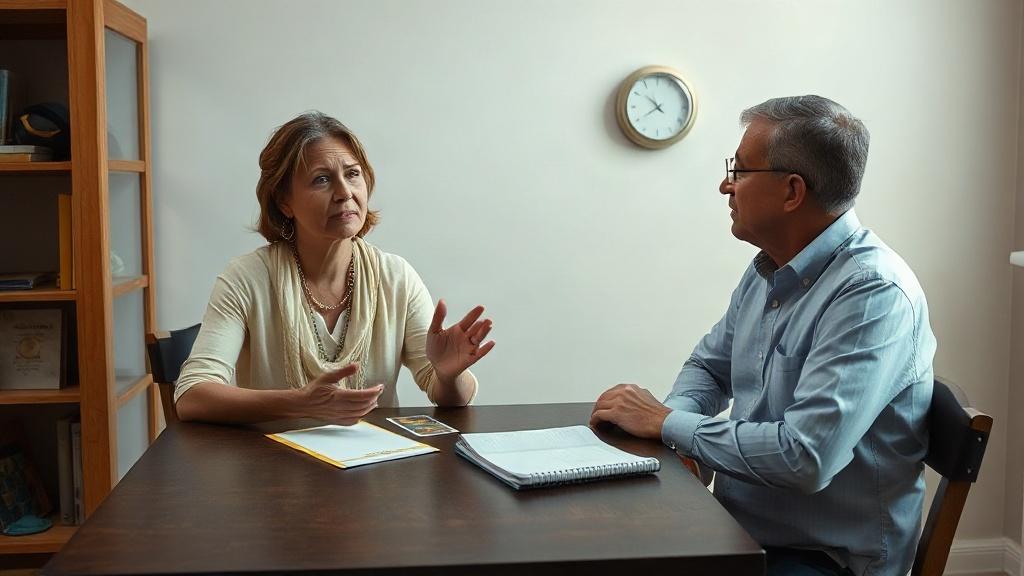
A tarot-based reading, for instance, often begins with a spread of cards and an explanation of how the layout will be used. A mediumship session, by contrast, may focus on messages from deceased loved ones. An intuitive reading may move more fluidly, with the psychic responding to shifts in energy or the client’s reactions.
That variety is why expectations differ so much. What to expect depends heavily on the reader’s method. Know before booking whether the session is tool-based, intuitive, or centered on spiritual communication.
What the psychic is actually paying attention to
A reading demands close attention. The reader may listen for repeated themes, emotional undercurrents, or symbols that seem to come up again and again. They also watch how the client responds when certain subjects come up, which guides the conversation.
Timing matters too. A reader may pause before answering because they are sorting through several impressions at once. To an outsider, the pause may look vague. In context, it usually reflects careful interpretation, not uncertainty.
There is a practical side to this work. A psychic who rushes gives vague answers. One who takes the time to consider what is being asked usually gives a more coherent reading, even if the answer is not always neatly packaged.
What kinds of questions come up
Psychic reading questions can be broad or specific, depending on what the client hopes to learn. Common topics include relationships, career changes, family dynamics, and timing. Others want clarity on a situation they have been circling for months.
The strongest questions have real substance behind them. “Will everything work out?” is too vague to do much with. A better question might be, “What should I pay attention to before changing jobs?” or “What is influencing this relationship pattern?”
Open questions invite insight; yes-or-no questions rarely do. That is why a skilled reader helps shape the session. They reframe questions so answers become more useful.
- Relationship dynamics
- Career direction
- Family tensions
- Timing and decisions
- Personal growth and emotional patterns
How psychic readings work in practice
Psychic readings are less mysterious than people think once the process is broken into pieces. A reading usually starts with attention, then interpretation, then discussion. Whether the reader is using intuition or tools, the session depends on translating impressions into language that makes sense to the client.
That translation is where the skill lives. An impression can be vague, symbolic, or incomplete. The reader decides what is relevant, what is tentative, and what is worth saying. Good psychics do not overstate what they see.
Solid readings have a back-and-forth. The client offers reactions, the reader clarifies a point, and the session sharpens over time. It is a live interpretation, not a one-way broadcast.
| Part of the session | What the psychic may do | What the client may experience |
|---|---|---|
| Opening | Set the tone, explain the approach | Relief, curiosity, or cautiousness |
| Tuning in | Focus on impressions, symbols, or tools | Quiet, anticipation, or reflection |
| Interpretation | Describe themes and possible meanings | Recognition, surprise, or questions |
| Discussion | Clarify details, adjust based on feedback | More context and practical insight |
The role of silence in a reading
Silence is one of the most useful parts of a reading. It lets the reader sort impressions without rushing them into words. It also gives the client room to hear what has been said and notice what it stirs up internally.
People assume a pause means nothing is happening. Usually the opposite is true. The psychic may be sensing something subtle, checking whether an image fits, or deciding whether a detail belongs in the reading at all.
A quiet moment keeps the session from getting cluttered. Not every impression needs immediate explanation, and not every question needs an instant answer. Restraint makes the reading sharper.
How a reader handles uncertainty
No honest psychic knows everything. A serious reading reflects that. Sometimes the message is clear, sometimes it is partial, and sometimes it points to a pattern rather than a specific event. That distinction keeps expectations realistic.
When uncertainty comes up, a grounded reader says so. They might offer the strongest impression they have without pretending it is a fact. That honesty is more useful than a confident guess dressed up as certainty.
This is where the client’s judgment matters. A reading should never replace common sense, especially in medical, legal, or financial matters. It can help someone reflect, but it is not a substitute for professional advice.
What clients often feel during a session
The emotional experience varies. Some feel relieved because the session puts words to what they already suspected. Others feel unsettled for a moment, especially if the reading touches on an uncomfortable truth or a hard choice.
Many describe a strong feeling of being seen. That does not mean the psychic has magic answers. It usually means the right questions were asked and the right details noticed. When that happens, the session can feel unusually clarifying.
Many are surprised by how practical the reading becomes. They arrive expecting mystery and leave with a better sense of what matters, what does not, and what deserves attention next. That shift is often the real value of the reading.
What a psychic does not usually do
A responsible psychic does not promise perfect accuracy, control over the future, or instant fixes. Life is too complicated for that. Useful readers interpret possibilities. They do not issue commands from a sealed chamber of fate.
They also should not pressure the client, scare them unnecessarily, or claim that every problem can be removed through extra readings. A reading should never become dependency theater. It should leave the person more aware, not more tangled.
Insight and invasion are not the same. Ethical psychics know where that line is. They explore sensitive material with care, not theatrics.
Questions a good reader may ask back
During a reading, the reader may ask a few questions of their own. These clarify the focus or test whether an impression fits. Skillful readers keep questions open so they do not steer the client.
They might ask whether a detail resonates or whether a timeframe makes sense. The goal is not to fish for information. It is to sharpen the reading.
The exchange keeps the client engaged. Instead of sitting passively, they take part in the process. That interaction makes the session feel grounded, not staged.
- Clarify the topic
- Check whether an impression fits
- Refine timing or context
- Keep the reading relevant
Personal observations from a reading session
I have sat in on readings where the most striking moment was not a prediction but a simple, accurate observation about a repeating pattern. One client came in expecting a dramatic answer about a relationship and instead heard a clear description of how she kept choosing unavailable people. That shift changed the whole tone of the session.
In another case, the reader barely touched the question the client had prepared. Instead, they kept returning to work stress, even though the client had come in asking about a move across the country. By the end, the move was clearly tied up with burnout, and naming that was more useful than discussing logistics.
Those moments show that a reading is less about one answer and more about a pattern becoming visible. People do not always ask the right question the first time. A skilled reader helps uncover the one underneath.
How preparation changes the experience
Clients get more from a reading when they arrive prepared, even lightly. That does not mean rehearsing a script. It means arriving with one real focus, a few honest questions, and an open mind.
It helps to know what kind of reading is booked. A tarot session works best with a specific concern. A general intuitive session works better with a broader focus. Either way, clarity makes the session easier to navigate.
People ask what to expect because they are unsure whether to speak up, stay quiet, or push back. The answer is simple: participate without trying to control the outcome. A good session has room for both.
Practical ways to get ready
Write down a few psychic reading questions before the session, especially if the topic is emotionally loaded. The list does not need to be long. Three thoughtful questions beat a dozen rushed ones.
Think about what information would actually help. If you are asking about a relationship, are you looking for timing, compatibility, communication patterns, or a sense of direction? The more specific the concern, the more grounded the reading.
Finally, come in with a little skepticism and a little openness. Either extreme gets in the way. The productive space is in the middle: evaluate what resonates without dismissing the whole experience before it starts.
The human side of psychic work
Behind the question of what a psychic does is a human reality: they listen to people in vulnerable moments. That calls for tact, patience, and responsibility. A good reading is not about showing off. It is about handling attention with care.
That human element is easy to miss if you picture only symbols and mystery. A reading session includes empathy, memory, intuition, and careful language. The reader decides not only what they sense, but how to say it.
When the balance is right, the session feels steady and personal. It leaves room for uncertainty without collapsing into vagueness. It respects the client’s situation and still allows insight to emerge.
Why people keep coming back
People return to readings because they value a focused space to sort through life. That does not mean they want to surrender their choices. They want a clearer view of the ground beneath them.
The appeal is partly emotional, partly practical. A reading can name what feels tangled, confirm what a person has already sensed, or point to something they have been ignoring. Even when it does not answer every question, it helps organize the next one.
That is the quiet strength of a good reading. It creates a structured moment for reflection, which is often enough to shift perspective. A good session ends with more clarity than the client arrived with.
What to carry with you after the session

After a reading, sit with the experience instead of forcing conclusions. Some parts land right away. Others make sense later. A reading often unfolds in the mind long after the conversation ends.
Jot down the main themes, especially after a detailed session. Then you can compare what was said with what happens later. This is the simplest way to evaluate a reading fairly.
A reading is not about proving anything. It is about insight, perspective, and the human desire to understand what is happening beneath the surface. When it works, it leaves a person with more room to see their own life clearly — not a script.