

People often hear the phrase “clairvoyant psychic readings” and picture a dramatic scene: a dim room, a candle flickering, and someone delivering mysterious answers from the other side of the table. Real sessions are usually quieter and more practical than that. They can be reflective, intuitive, and surprisingly structured.
If you have ever wondered what a clairvoyant reading actually looks like, the answer depends on the reader, the setting, and the questions being asked. Some sessions feel like a conversation with an intuitive guide. Others are more focused, with specific symbols, impressions, or brief insights coming through in bursts.
If the terms themselves still feel fuzzy, it helps to start with how psychic and clairvoyant terms compare.
What clairvoyance means in a reading
To understand what is a clairvoyant reading, it helps to start with the word itself. Clairvoyance usually refers to “clear seeing,” though that does not mean the psychic is literally watching a movie in their head. In practice, it often describes visual impressions, symbolic images, or a strong inner sense of seeing information in the mind’s eye.
A clairvoyant psychic may notice flashes of color, scenes, people, objects, or patterns that seem connected to a person’s questions. The information might arrive as a quick image, a sequence of symbols, or a scene that feels emotionally charged. Sometimes the message is direct. Other times it needs interpretation, which is where experience matters.
Not every reader uses the same vocabulary. One person may describe their process as seeing, another as sensing, and another as “getting impressions.” The core idea is similar: information comes through in a visual or picture-based way, often alongside intuitive knowing.
How clairvoyant readings work
People often ask how clairvoyant readings work, and the honest answer is that there is no single formula. A session usually begins with the client’s question or topic, though some readers prefer not to receive much detail at first. That gives them room to notice impressions without being nudged too heavily by the client’s expectations.
During the reading, the clairvoyant psychic may describe images, symbols, emotions, or changes in energy that seem relevant. A symbol might point to a relationship issue, a practical decision, or a recurring pattern in someone’s life. The interpretation is not always obvious on the first pass, so the conversation matters.
There is often a back-and-forth rhythm. The reader offers what comes through, and the client confirms, clarifies, or asks for more detail. A good session does not rely on vague statements alone. It should become more precise as the exchange continues.
It is also common for a reading to include pauses. Those silences are not necessarily empty. Sometimes the reader is waiting for the next image or trying to separate a true impression from ordinary guesswork.
For a closer look at what goes on in the reader’s mind during those pauses, see what a psychic actually does during a reading.
Common clairvoyance methods
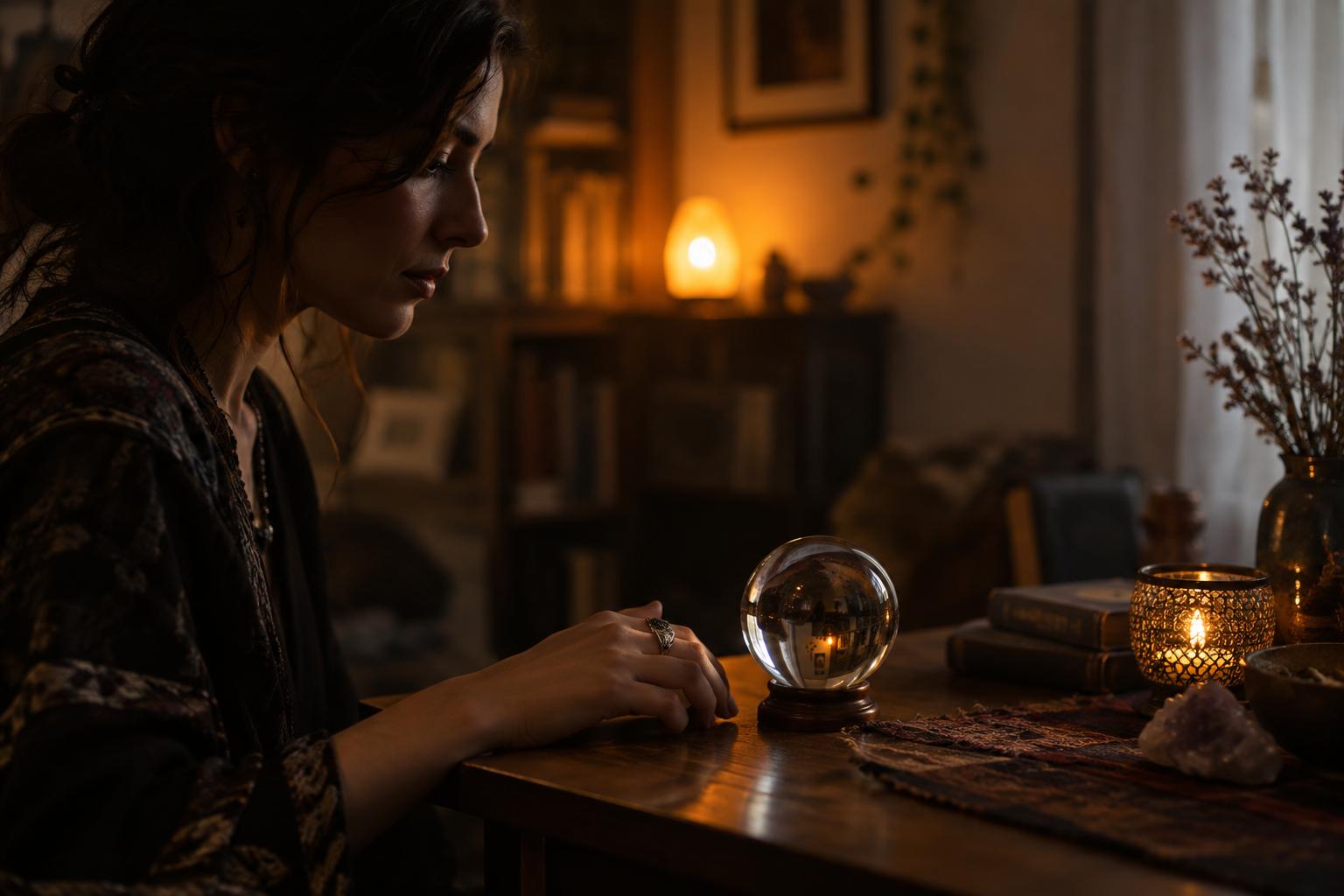
There are several clairvoyance methods that readers use, and each one has its own rhythm. Some methods are highly visual. Others blend visual impressions with intuition, memory, or symbolic association. The best-known approaches are not rigid techniques so much as habits of attention.
- Symbolic imagery, where a picture stands in for a broader message.
- Scene-based impressions, where the reader sees a moment or event unfolding.
- Color perception, where colors seem to carry emotional or situational meaning.
- Flash impressions, which arrive quickly and may need immediate interpretation.
- Guided focus, where the reader centers on a question and notices what appears.
These methods are not always used separately. A session might begin with a symbolic image and then shift into a more detailed scene. A reader may also combine visual impressions with other forms of intuition, especially if the information is subtle.
The skill lies in staying open without forcing meaning onto every detail. A red rose might mean romance in one setting, but in another it could point to memory, grief, or a specific person. Context changes the message, which is why an experienced reader pays attention to the whole pattern rather than a single image.
Symbolic imagery
Symbolic imagery is one of the most common clairvoyance methods. Instead of receiving a direct answer, the reader sees an object or image that suggests a larger story. It might be a locked door, a bridge, a road, a child, or a storm cloud.
The challenge is that symbols are rarely universal in a strict sense. A bridge could mean transition, connection, or hesitation depending on the person and the question. Readers who rely on symbols usually develop a flexible interpretive style, one that leaves room for context and confirmation.
When used well, symbolic imagery can be surprisingly precise. It allows the session to move beyond yes-or-no answers and into deeper patterns. That is often where the real value of a clairvoyant reading appears: not in predicting a single event, but in revealing the shape of a situation.
Scene impressions
Some readers report full scene impressions, almost like receiving a snapshot from another angle. They may see a kitchen table, a conversation, a workplace, or a road trip. The scene can feel ordinary, but the details matter.
The reader might notice who is present, how the room feels, or what is happening in the background. A scene is often less about literal prediction and more about emotional truth. For example, seeing a person standing at a doorway may point to hesitation, timing, or an upcoming decision.
These impressions can be powerful because they create immediate texture. Instead of abstract advice, the client gets a sense of movement and atmosphere. That can make the reading easier to understand and easier to remember afterward.
Color and light impressions
Color is another common feature of a clairvoyant reading. A reader may notice a wash of blue, gold, gray, or green around a topic or person. Sometimes the meaning feels intuitive right away. Other times the color needs to be explored through conversation.
Light can also matter. A bright image may suggest clarity, relief, or openness. A dim or obscured image can point to confusion, secrecy, or emotional strain. The reader is not inventing a coded language on the spot; they are noticing patterns and testing them against the client’s response.
This kind of impression often appears when the reader is working with mood, energy, or timing. It is less about concrete events and more about the quality of a situation. In that sense, it can be a useful companion to more direct symbolic imagery.
If you want a broader picture of how clairvoyance fits alongside other intuitive channels, see what psychics read during a session.
Clairvoyant reading formats
Clairvoyant reading formats vary more than many people expect. A session can be brief and focused, or it can unfold as a longer conversation with several layers. The format affects the tone, the depth of the information, and how much interaction happens during the session.
Before choosing a format, it helps to think about your goal. Are you looking for a general overview, insight into a specific relationship, or a deeper look at timing and direction? Different formats suit different purposes, and the structure of the session can shape the results.
| Format | Typical length | Best for |
|---|---|---|
| Phone reading | 20–60 minutes | Focused questions, private conversations |
| Video reading | 30–90 minutes | Face-to-face connection with convenience |
| In-person reading | 30–90 minutes | Traditional sessions, detailed interaction |
| Email reading | Varies | Written reflection, time to revisit answers |
| Group reading | Varies | Shared events, demonstrations, lighter depth |
In-person sessions
In-person sessions tend to feel the most traditional. The client and reader are in the same room, which can create a strong sense of focus. Some people prefer that setting because it feels grounded and direct.
Physical presence can help the session flow naturally. There is less delay, and small conversational cues can make the exchange smoother. At the same time, an in-person setting can feel more intense for people who are sensitive to atmosphere or nervous about being observed.
In-person readings often attract people who value the ritual of the setting itself. They are not just there for information. They want the full experience, from the quiet before the session to the moment the reader begins describing what they see.
Phone sessions
Phone readings remain popular because they are simple and private. You can be in your own space, which often makes it easier to relax. Without visual distractions, some people find it easier to focus on the content of the session.
For the reader, a phone format can be useful because the voice provides enough connection without adding extra visual input from the client. That can help keep the session centered on the impressions themselves. Many readers and clients find this format efficient and surprisingly personal.
It is also one of the easiest ways to schedule a clairvoyant session across distances and time zones. That practical convenience has helped phone readings stay relevant even as video platforms have become more common.
Video sessions
Video readings combine convenience with visual connection. The reader can see facial expressions, posture, and reaction, which can make the exchange feel more human. For some clients, that balance is ideal.
The drawback is that technology can get in the way. A weak connection, poor audio, or screen fatigue can interrupt the flow. Still, when the setup works, video gives the session a conversational quality that many people appreciate.
This format has become especially common because it offers flexibility without losing the sense of being face to face. For a fuller picture, see how video psychic readings work.
What happens in a typical clairvoyant session
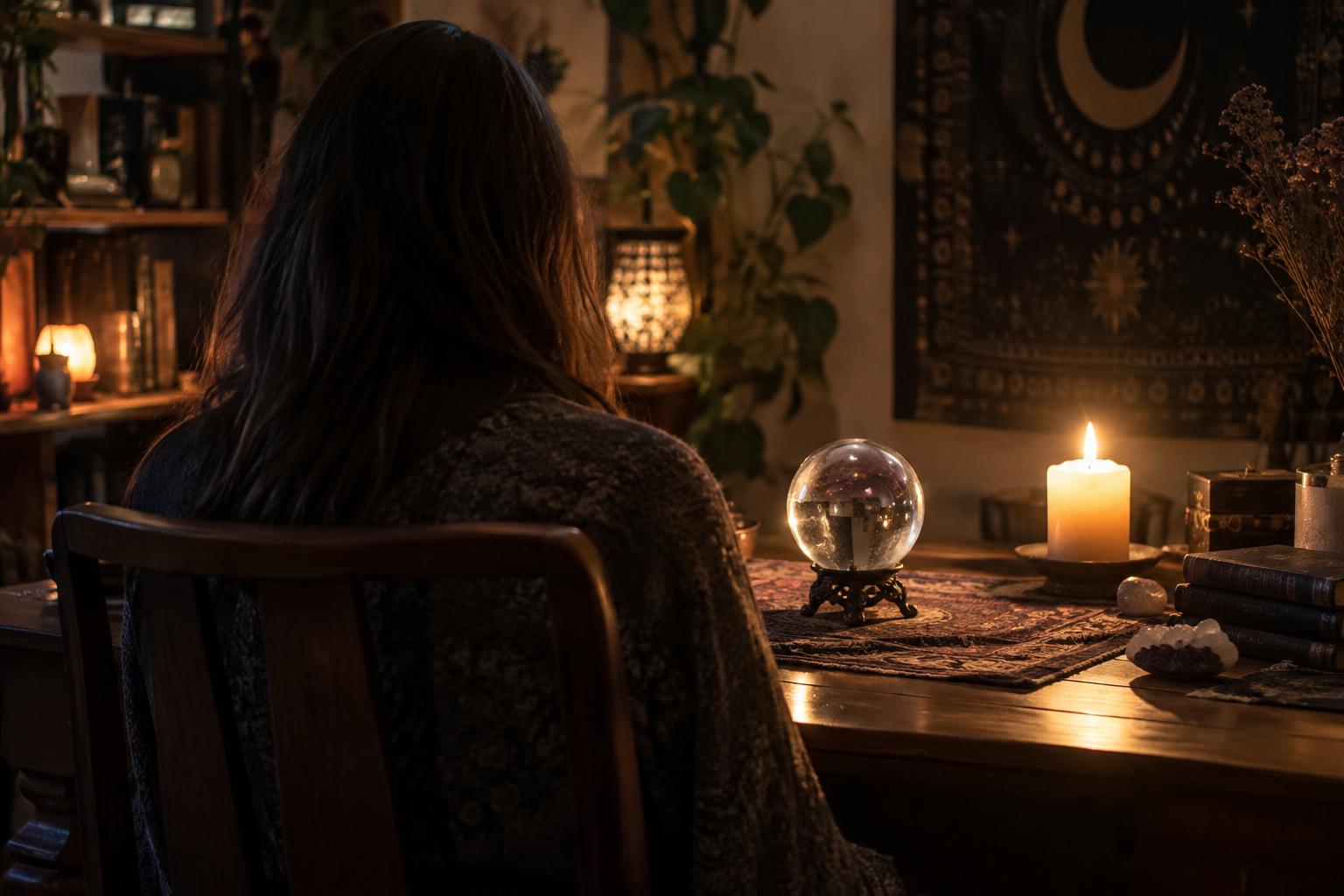
A typical clairvoyant session usually starts with a short introduction. The client may state a question, share a topic, or ask for a general reading. Some readers set boundaries at the beginning, such as avoiding legal, medical, or highly specific third-party questions.
After that, the reader begins focusing and describing impressions. These may arrive as images, scenes, colors, or quick insights. The client often listens first, then responds with confirmation or context. That back-and-forth helps sharpen the reading.
Many sessions move through a few phases. There may be an opening overview, a deeper look at one issue, and then a closing summary. The exact rhythm depends on the reader’s style, but the structure usually keeps the session from drifting.
- The client states the main concern or question.
- The reader centers attention and notices impressions.
- Images or symbols are described out loud.
- The client gives feedback or asks for clarification.
- The reader refines the message and closes with key points.
Some clients expect a dramatic reveal and feel surprised by how conversational the process is. That is normal. A clairvoyant reading is often less like a performance and more like an unfolding interpretation, built piece by piece.
Questions people bring to a clairvoyant psychic
People seek a clairvoyant psychic for many reasons, and the questions are usually more grounded than outsiders assume. Relationship concerns are common, especially when someone wants to understand a pattern that keeps repeating. Career uncertainty, major decisions, and life transitions also come up often.
Some clients want a broad scan of their current path. Others want insight into a specific person, move, or opportunity. The best questions are usually open enough to allow real insight, but focused enough to give the reading direction.
- What pattern am I not seeing clearly?
- What should I pay attention to in this situation?
- What is changing around this relationship or job?
- Where am I resisting what I already know?
- What does the next phase seem to be asking of me?
Questions framed this way tend to produce richer responses than strict yes-or-no prompts. They invite the reader to describe what they see rather than forcing a simplistic answer.
How to prepare for a reading
Preparation does not have to be elaborate. A few minutes of quiet can make a difference, especially if you are anxious or distracted. It helps to know why you booked the session and what you want to understand.
Some people write down questions before the appointment. Others prefer to keep things loose and see what comes up naturally. Both approaches work, but writing down your priorities can keep the session from wandering.
It is also wise to think about your expectations. A clairvoyant reading is not a substitute for professional advice in legal, medical, or financial matters. If you treat it as one source of perspective rather than a final verdict, you are more likely to use it well.
Useful preparation steps
- Choose one to three main questions.
- Set aside time without interruptions.
- Bring a notebook if you like to take notes.
- Stay open to unexpected themes.
- Keep your questions specific but not overly narrow.
Preparation is not about controlling the outcome. It is about creating enough space for the reading to unfold clearly. When the mind is less cluttered, the details are easier to notice and remember.
How to tell a useful reading from a vague one
Not every session is equally strong. A useful reading usually contains enough detail to feel grounded, even when the topic is emotional or uncertain. Specificity matters, but so does relevance. Random details are not much help unless they connect to the client’s actual situation.
A vague reading often leans on broad statements that could apply to almost anyone. It may sound polished, but it does not move the conversation forward. A thoughtful reader will be willing to clarify, refine, and admit when a detail does not yet make sense.
Here are a few signs that a session is staying on track. The information gets more precise over time. The themes are consistent. And the reader does not try to make every detail sound profound when it plainly is not.
The role of ethics and boundaries
Any honest discussion of clairvoyant psychic readings should include ethics. A responsible reader knows the difference between insight and overreach. They should avoid pretending certainty where there is none, and they should not use fear to pressure a client.
Boundaries matter too. Some readers decline questions that involve medical diagnosis, legal outcomes, or invasive third-party spying. That is not a weakness. It is often a sign that the reader understands the limits of the work and respects the client’s autonomy.
The healthiest readings tend to leave room for choice. They may point out patterns, timing, or likely outcomes, but they should not strip away personal agency. Good intuition supports decision-making; it does not replace it.
What to remember after the session ends
After a session, it helps to sit with the information instead of trying to force instant meaning. Some parts will make sense right away. Others may click later, after an event, a conversation, or a shift in your own thinking.
Taking notes can be useful, especially if the reader shared several images or specific details. A short summary is often enough. You do not need to transcribe everything. You just need enough to track the parts that felt important.
It is also smart to notice your emotional response. Did the reading give you clarity, relief, or a new angle on a problem? Did it raise more questions than it answered? Those reactions are part of the value, because they show where your attention naturally went.
Even with all the modern ways people seek advice, clairvoyant psychic readings continue to draw interest. Part of that is curiosity, of course. But part of it is the appeal of being seen in a way that feels different from ordinary conversation. When a reading is done well, it can offer a fresh frame for a problem that has gone stale in your own mind. People often return not because they want certainty, but because they want perspective. And if you are still choosing who to book, see how to find a psychic reader you can trust before making the appointment.