People usually come to psychics with a simple question and a complicated life. They want to know about love, money, family, timing, or the thing that has been sitting heavy in the back of their mind for months. That is part of the appeal of psychic work: it promises insight when ordinary advice has run out of road.
At the same time, the field can be hard to pin down. Some readers describe their work as intuition sharpened by experience. Others frame it as communication with spirit, symbols, energy, or future possibilities. If you have ever wondered what psychics can do in practice, the answer depends on who you ask, what service they offer, and how much you are willing to believe.
What people usually mean when they say “psychic”
The word covers a wide range of services, and not everyone using it means the same thing. For some, it refers to someone who gives impressions, images, or emotional readings that seem to come from beyond ordinary observation. For others, it describes a general ability to sense patterns, moods, or likely outcomes.
In everyday conversation, psychics often get grouped with tarot readers, mediums, astrologers, clairvoyants, and intuitive consultants. Those labels overlap, but they are not identical. A person may offer one of these services, several of them, or a blend that changes depending on the client and the setting.
That flexibility is one reason psychic work has lasted so long. It can adapt to a private living room reading, a phone session, an online appointment, or a storefront booth at a fair. The format changes, but the core promise stays the same: help with uncertainty.
Common services people seek out
Psychic services are usually sold as guidance, not diagnosis. Clients want direction, reassurance, or a different angle on a problem they have already been turning over in their own heads. The services themselves can vary widely, but most fall into a few familiar categories.
Below are some of the most common offerings people encounter when they look for psychic reading services.
- General life readings: Broad sessions that touch on work, relationships, family, and personal direction.
- Love and relationship readings: Focused on romance, attraction, breakups, commitment, and timing.
- Mediumship sessions: Claims of contact with deceased loved ones.
- Tarot or oracle card readings: Symbol-based readings using a card spread.
- Clairvoyant or intuitive readings: Readings said to come through visual impressions, inner knowing, or sensed information.
- Life path or future-oriented readings: Sessions that focus on likely events, choices, and timing.
These services often overlap. A single session may start with cards, move into impressions, and end with advice about a relationship or a career choice. In practice, the client experience matters as much as the label on the website.
Types of psychic readings and how they differ
Not every reading works the same way. The best way to make sense of the field is to look at the main types of psychic readings and what each one tends to emphasize. Some are more structured, while others depend heavily on the reader’s style.
| Type |
Typical focus |
What the client may hear |
| Tarot reading |
Symbolic patterns, choices, timing |
Interpretation of cards, possible outcomes, advice |
| Mediumship |
Messages from deceased loved ones |
Names, memories, symbols, or statements attributed to spirit contact |
| Clairvoyant reading |
Visual impressions or scenes |
Images, flashes, or descriptions of people and situations |
| Intuitive reading |
Sense-based guidance and emotional insight |
Gut-level observations, patterns, and recommendations |
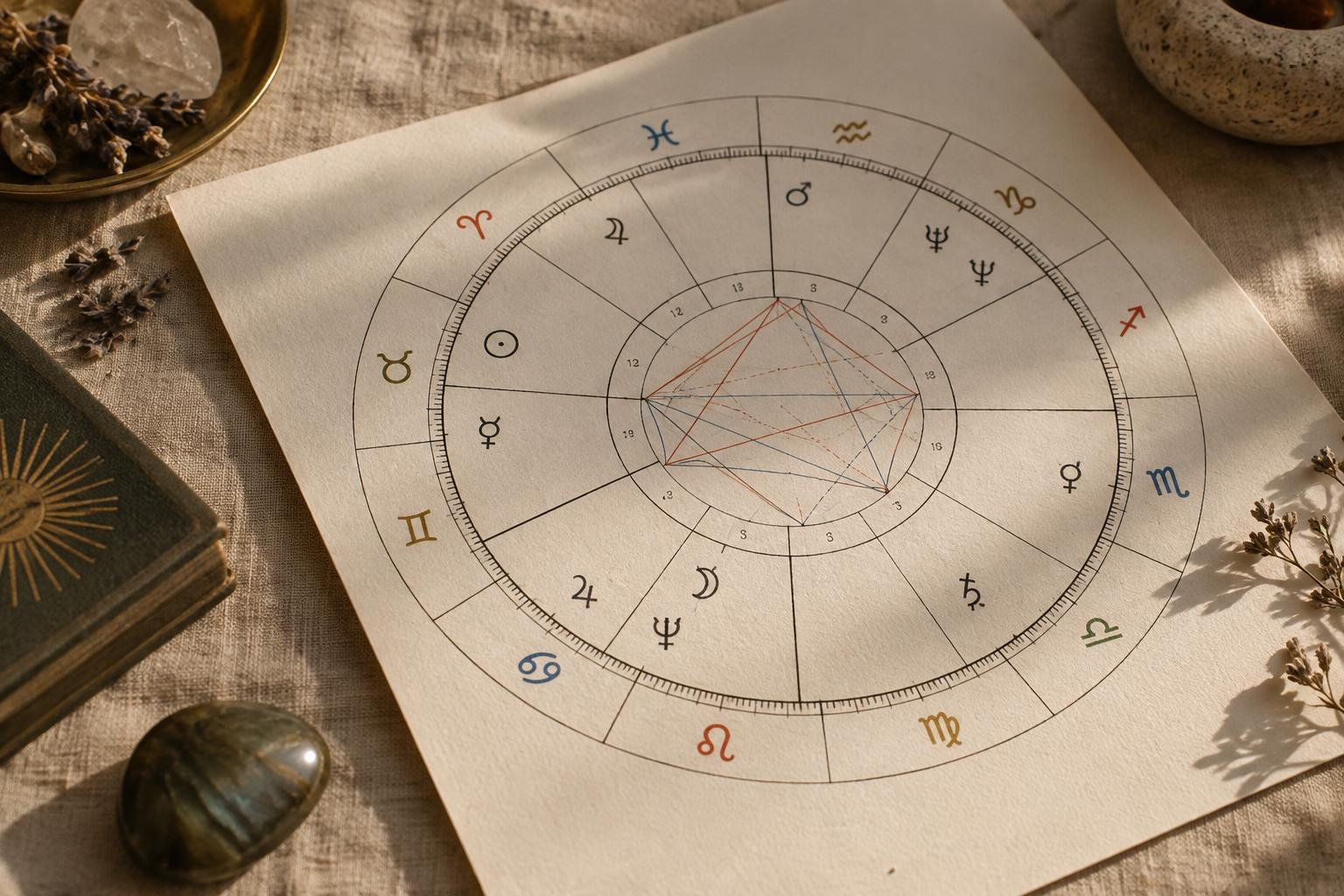
| Astrological reading |
Birth chart patterns and timing |
Planetary influences, personality themes, transits |
The categories are useful, but they are not walls. A clairvoyant medium intuitive reader, for example, might combine visual impressions, spirit messages, and a strong sense of emotional atmosphere in one appointment. That blending is common and often part of the appeal.
If you want to see how these different formats play out in a single session, it helps to know
what a psychic actually does during a reading.
What psychics claim to do
If you want to understand what psychics claim to do, you have to separate claims from proof. Most fall into a handful of familiar buckets: seeing the future, contacting the dead, sensing hidden emotions, and identifying choices that have not yet played out. Some readers present these as possibilities rather than certainties. Others sound much more definite.
Future-focused claims are probably the most recognizable. A client may ask whether a relationship will last, whether a job offer will come through, or whether a move makes sense. The reader may describe likely timing, obstacles, or an outcome that appears to be approaching. The language is often careful, even when the tone feels confident.
Mediumship claims are different because they involve a direct relationship with spirit communication. In those sessions, the reader may say they are hearing, seeing, or sensing a deceased person. Clients often seek this kind of reading for comfort, closure, or a chance to hear something personal that feels unmistakable.
Then there are claims about hidden knowledge in the present. A psychic may say they can identify what someone is feeling, whether a relationship is honest, or what dynamic is shaping a situation behind the scenes. This is where psychic work sometimes overlaps with reading body language, tone, and context so well that the result feels uncanny.
To understand how these claims are translated into symbols or images during a session, you can read more about
what psychics read and how they interpret impressions.
How a psychic consultation usually unfolds
A consultation is often less dramatic than people expect. The client arrives with a question, and the reader starts by setting the tone, choosing tools, or asking for a name and date of birth. Some readers prefer a narrow focus; others want the client to say very little at the start.
The structure can be surprisingly ordinary. There may be introductions, a few grounding remarks, and then the reading itself. A session might involve cards on a table, a phone line, a video call, or a quiet room with nothing visible except the reader’s notes. The more formal the setup, the more the session can feel like a service rather than a performance.
What happens next depends on the reader’s method. One might offer short, direct statements and then wait for confirmation. Another might talk through impressions in a stream, weaving together symbols, emotions, and questions. In either case, the client usually becomes part of the process, reacting to details, clarifying concerns, or asking for more depth.
Questions clients commonly bring

Most people do not show up asking for cosmic philosophy. They want answers about things that feel immediate and personal. That practical bent is one reason psychic reading services have remained popular for so long.
- Will this relationship last?
- Should I change jobs or wait?
- Is my loved one okay?
- What is blocking me?
- What happens if I make this choice?
These are life questions, not abstract puzzles. The strongest readings tend to speak to that reality, whether or not a client believes every detail is supernatural.
The role of intuition in psychic work
Intuition is one of the least mysterious words in the psychic vocabulary, and also one of the most slippery. A reader may describe a feeling as intuition, but that can mean a lot of things: pattern recognition, emotional sensitivity, experience with human behavior, or something they believe comes from outside themselves.
That ambiguity matters because many psychic services rely on quick social reading. A skilled person can pick up on hesitation, grief, excitement, fear, or guardedness very quickly. That does not make the experience fake; it does mean the result may come from a mix of ordinary and extraordinary-seeming sources.
People often underestimate how much information is visible in conversation. The way someone asks a question, what they emphasize, and what they avoid saying can shape the whole session. A reader with sharp intuition may be able to turn that into an accurate-feeling reading without ever making a grand show of it.
Where psychic claims get tricky
The biggest challenge with psychic work is that it can sound specific without being falsifiable. A reader may speak in broad terms, use flexible language, or offer statements that seem meaningful to almost anyone. That does not automatically make the reading worthless, but it does make careful listening important.
People also bring their own hopes into the room. If someone wants badly to hear that a relationship will work out, they may focus on the one sentence that confirms it and overlook everything else. In that sense, a reading can become a mirror for desire as much as a source of guidance.
Another complication is memory. Clients may remember the hits and forget the misses, especially if the reading was emotionally charged. That is true in many settings, not just psychic ones. Once a statement feels significant, it can take on a life of its own.
Common signs of a stronger or weaker reading
There is no perfect formula for judging a session, but some patterns are worth noticing. A good reading does not need to promise miracles. It usually feels grounded, specific enough to be useful, and respectful of the client’s boundaries.
- Stronger sign: The reader addresses your actual concern instead of drifting into vague generalities.
- Stronger sign: The session offers usable insight, not just dramatic statements.
- Weaker sign: Everything is framed as certainty, especially when life is clearly uncertain.
- Weaker sign: The reader pressures you into more sessions, more payments, or fear-based decisions.
That last point matters. Any service that leans heavily on panic should raise eyebrows. Good psychic reading services may be persuasive, but they should not need to corner you.
Personal style matters more than people expect
Two readers can use the same tool and give completely different experiences. One may be warm and conversational, another blunt and almost clinical. One may speak in symbols, while another translates everything into plain language. That difference is not just style; it changes how the client receives the reading.
People come away from the same kind of session with opposite reactions. One person feels seen and steadied. Another feels the reader was too vague to trust. The content may have been similar, but tone made all the difference.
That is why reviews can help, but they cannot tell the whole story. A reader who is perfect for one person may be a terrible fit for another. The match matters because psychic work is intimate, and intimacy always depends on tone as much as talent.
Psychic services in real life
In practice, psychic services are often less about spectacle than people imagine. They show up in ordinary places: a phone appointment during lunch, a late-night online session after a breakup, a booth at a metaphysical shop, or a reading booked before a major decision. The setting is often mundane, which makes the experience feel more personal and less theatrical.
That ordinary quality is part of the market’s staying power. People do not need a candlelit drama to ask about a job interview or a strained friendship. They need a private moment, a listener, and some kind of framing for the uncertainty they are already living with.
When services work well for clients, it is often because they help organize chaos. A reading can turn a foggy worry into a sequence of concerns, names, dates, or possibilities. Even if the client treats the session as reflective rather than prophetic, that organization alone can feel valuable.
If you are still deciding which type of reader to look for, it helps to know
how psychic and clairvoyant abilities compare before you book.
Belief, skepticism, and the space in between
People tend to imagine that you either fully believe in psychic work or you dismiss it outright. Real life is messier. Many clients land somewhere in the middle, open to the experience without being ready to call it proof of anything supernatural.
That middle ground is where a lot of the industry actually lives. Someone may not believe every detail, but still enjoy the insight, the attention, and the chance to think differently about a problem. Another person may be a true believer in psychic abilities yet still appreciate a reader who speaks cautiously rather than dramatically.
The healthiest approach is usually practical. Ask what the session is for, what kind of claims are being made, and whether those claims fit the cost, the context, and your own level of comfort. A consultation should add something useful to your thinking, not replace it.
How to think about the different kinds of claims
It helps to separate several layers of psychic work instead of treating it as one monolithic thing. Some claims are about emotional insight. Some are about symbolic interpretation. Others are about contact with spirit or information about the future. The quality of evidence you might expect from each one is not the same.
For example, a tarot reader may not be claiming literal future vision at all. They may be reading a symbolic spread in a way that encourages reflection and decision-making. A medium, on the other hand, may claim direct contact with the deceased. Those are very different promises, even if they are both sold under the broad umbrella of psychic services.
That distinction can help you avoid talking past the experience. If you go in expecting certainty, you may be disappointed. If you go in expecting a structured conversation about your concerns, you may find the session more useful than you expected.
What psychics can do for clients, at their best
At their best, psychics can offer a kind of concentrated attention that is surprisingly rare. They listen for emotional patterns, translate confusion into language, and give people a space to talk about things they may not say anywhere else. That alone can feel significant.
They can also help clients frame decisions. A good reading may not tell you what to do, but it can sharpen the question. Sometimes that is enough. Once a person names what they are afraid of, what they want, or what they keep avoiding, the next step gets clearer.
The strongest psychic reading services do not try to be everything at once. They know what they are offering, stay within that lane, and leave room for the client’s judgment. That restraint can make the experience more believable, not less.
What to watch for before booking
If you are considering a reading, it is worth paying attention to a few basic things before you book. Price, format, and reputation matter, but so does the reader’s language. A thoughtful description is usually more helpful than a page full of dramatic promises.
Look for clarity about the service itself. Does the reader explain whether they use cards, mediumship, or intuition? Do they state whether the session is about guidance or prediction? Those details tell you a lot about how they work and what you can reasonably expect.
It also helps to think about your own goal. If you want comfort after a loss, a mediumship session may be what you are looking for. If you want help sorting through a career decision, a broader intuitive reading may fit better. Matching the service to the need can make a big difference.
Once you have a sense of which style suits you, the next step is learning
how to find a psychic reader you can trust without wasting money on the wrong match.
A closer look at the language psychics use
One of the most interesting things about psychic work is the language. Readers often mix certainty with softness, precision with flexibility. They may say “I’m seeing” or “I feel” or “there’s a sense of.” Those phrases sound different, but they all leave room for interpretation.
That language can be a strength. It allows room for nuance in situations that are not simple. Relationships change, timing shifts, and people revise their choices. A rigid forecast can sound impressive, but it may fit reality less well than a more careful reading.
At the same time, language can also blur accountability. The less specific the statement, the harder it is to test. That is why listening closely matters. A good client is not hostile; they are attentive.
Questions worth asking yourself after a session
After a consultation, a few honest questions can help you decide what to keep and what to leave behind. Not every insight needs to be treated as destiny, and not every detail deserves equal weight.
- Did the session give me new language for a real issue?
- Did I feel respected, or managed?
- Was the reading specific enough to be useful?
- Did it help me think, or just make me more anxious?
- Did I hear guidance, or mostly projections?
Those questions are simple, but they cut through a lot of fog. They help separate a meaningful experience from a compelling one.
When people ask what psychics can do, they are often hoping for a single clean answer. There isn’t one. Psychic work can mean entertainment, comfort, intuition, symbolism, performance, genuine insight, or some combination of all of those things. The most useful way to look at psychic services is to ask what they are offering, how they are offering it, and whether that offering has value for the person sitting across from them. That answer, more often than not, is where the real story begins.
Related reading